
What if the furnace repair that costs $150 in August costs three times that on the coldest night in January? Meridian landlords who wait for the first freeze to think about winter prep almost always pay a premium for it — in emergency service fees, backed-up contractor schedules, and damage that a simple summer checkup would have prevented.
At First Command Property Management, our team works with rental property owners across Meridian, ID and the greater Treasure Valley, and late summer is consistently the smartest window to get ahead of seasonal repairs. This guide walks through exactly what to inspect now and what it saves you later.
Key Takeaways
Late summer is a strategic window, not just a convenience. It lets you avoid freezing temperatures, overbooked contractors, and emergency repair premiums.
A seven-point checklist covering your roof, furnace, gutters, exterior seals, spigots, sump pump, and chimney catches the issues most likely to cause winter damage.
Off-season pricing works in your favor, with lower labor rates and discounted materials before the autumn maintenance rush begins.
Emergency repairs cost significantly more than scheduled ones, especially for furnace failures during a cold snap.
Proactive maintenance protects tenant satisfaction and property value, reducing vacancy risk and costly mid-lease repair calls.
The Real Cost of Waiting Until Winter
Every property owner eventually learns the same lesson: winter problems rarely announce themselves in advance. A hairline gap in flashing, a slow gutter clog, or a furnace that's been quietly losing efficiency all summer can wait until the worst possible moment to cause problems. That moment is usually the first hard freeze, when a minor issue becomes a full-blown emergency.
Preparing your rental for winter during late summer helps you sidestep three costly problems at once: freezing temperatures that make repairs harder and slower, contractor calendars that fill up fast once the weather turns, and the after-hours emergency fees that come with any repair nobody planned for.
What It Means for Landlords
For a landlord, this isn't just about comfort. It's about protecting cash flow. A scheduled HVAC tune-up in August is a routine maintenance expense. That same furnace failing in a tenant's home in January is an emergency, a liability concern, and often a same-day dispatch fee stacked on top of the repair itself.
Real-World Example
Consider a rental with a furnace that hasn't been serviced in two years. A late-summer inspection might catch a clogged filter or worn igniter for a modest service fee. Left unchecked, that same unit can fail entirely during a cold snap, forcing an emergency after-hours repair, a temporary heater rental for the tenant, and possibly a maintenance-related complaint that affects your renewal rate.
Your Late-Summer Maintenance Checklist for Meridian Rentals
Use this seven-point checklist to get every rental property winter-ready before the temperature drops. Each item targets one of the most common — and most preventable — sources of cold-weather damage.
Inspect the Roof
Walk the roofline or hire a professional to check for damaged shingles, cracked flashing, or worn seals around vents and chimneys. Small gaps left unaddressed become indoor leaks once snow accumulates and melts unevenly on the roof surface.
Service the Furnace
Schedule an HVAC technician before the seasonal rush. Technicians are far easier to book — and often less expensive — in August than in the first week of a cold snap, when every heating company in Meridian is fielding emergency calls.
Clean the Gutters
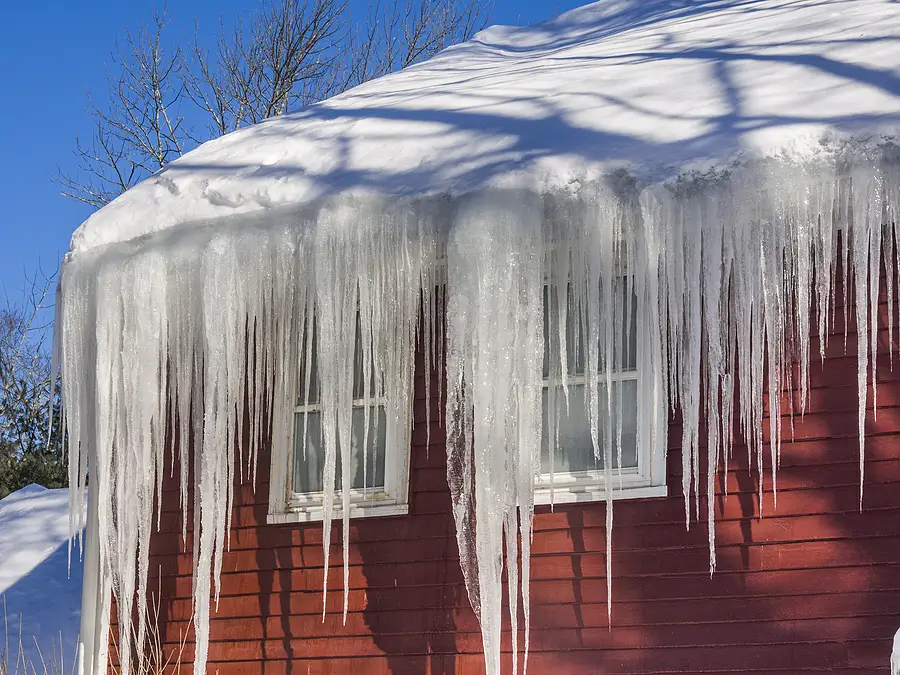
Clear out leaves and debris so melting snow has a clean path to drain. Clogged gutters are one of the leading causes of ice dams, which can force water back under shingles and into the roof deck.
Seal Exterior Gaps
Apply fresh caulk and weatherstripping around windows and doors. This is a low-cost project that pays for itself quickly by keeping cold drafts out and heating costs down all winter long.
Drain Outdoor Spigots
Disconnect garden hoses and shut off interior valves feeding exterior faucets. Water left sitting in exposed pipes can freeze, expand, and burst. This is one of the most expensive and disruptive winter repairs a rental property can face.
Test the Sump Pump
Pour water into the sump pit to confirm the pump activates and drains properly. A pump that fails during a winter thaw or heavy snowmelt can lead to basement flooding, mold risk, and a much larger repair bill than a $0 test would have prevented.
Check Chimney Brickwork
Inspect for loose mortar, cracks, or blockages before the first fire of the season. Structural chimney issues combined with active use are both a fire hazard and a costly masonry repair if ignored.
What Acting Early Actually Saves You
Timing isn't just about avoiding disaster. It's also a straightforward cost-saving strategy for landlords managing tight margins on rental income.
Lower Labor Rates
Contractors typically have more availability — and more flexibility on pricing — before the autumn rush begins. Booking in late summer often means better scheduling and better rates than waiting until every HVAC and roofing company in the region is slammed.
Cheaper Materials
Insulation, caulk, weatherstripping, and furnace filters are frequently discounted during summer sales. Buying ahead reduces the upfront cost of your winterization project compared to shopping during peak season demand.
Zero Emergency Fees
This is the big one. A furnace repair scheduled in August is a planned maintenance line item. The same repair as an emergency midnight callout in January comes with after-hours rates, rush scheduling fees, and the added cost of any damage that occurred while the system was down.
Owners who track these numbers closely often build seasonal upkeep into their broader financial reporting and accounting, which makes it easier to see exactly how much proactive maintenance saves over a full year.
Frequently Asked Questions
When should I start winterizing my Meridian rental property?
Late summer, ideally August or early September, gives you enough time to schedule contractors, order materials, and complete repairs. This helps you finish the work before freezing temperatures arrive and demand spikes across the Treasure Valley.
What's the most commonly overlooked winter prep item?
Sump pump testing and chimney inspections are frequently skipped, yet both can lead to expensive water damage or fire risk if problems go unnoticed until they're actively needed during the season.
Can a property management company handle winter maintenance for me?
Yes. A full-service property management team can coordinate inspections, schedule trusted contractors, and manage the entire winterization checklist so you don't have to track deadlines or vendors yourself.
Get Your Property Winter-Ready Before the Rush Begins
Late summer is a narrow window, but it's the most cost-effective time of year to protect your Meridian rental from freezing pipes, ice dams, and furnace failures. A little planning now can save you hundreds or even thousands of dollars once winter sets in. A roof check, an HVAC tune-up, and a few tubes of caulk can make a big difference.
First Command Property Management handles seasonal maintenance coordination for landlords throughout Meridian and the Treasure Valley, backed by our service guarantees and over 17 years of property management experience.
Contact us today to schedule your late-summer property consultation before the season fills up.
For general winter readiness guidance, the U.S. Department of Energy also offers a helpful overview of home weatherization basics.
